







Search Results for: Male Bean Female Bean
Where does the idea of male and female coffee beans come from? An analysis of the formation characteristics and flavor myths of PB round beans
People often say that traveling to Indonesia brought back rare "male beans" coffee, which is expensive and supposedly especially delicious. But are coffee beans really divided into male and female? The so-called male bean is actually Peaberry, also called round bean in Chinese; it and the common flat bean differ only in growth form, not in gender. The formation of peaberry is related to pests and diseases, drought, malnutrition, or the growth environment at the tips of branches, and botanically it is even classified as a defective bean. Some people think peaberry is mellow and sweet, while others regard it as a by-product with no commercial value. This article helps you clarify the true meanings of male bean, female bean, and PB, and introduces common peaberry coffees on the market, including Front Street Hawaii Kona Peaberry, Front Street Tanzania Peaberry, and Front Street Jamaica Blue Mountain Coffee Peaberry. [more…]
Is the distinction between male and female coffee beans real? An analysis of the concept, causes, and price differences of PB round beans
Many friends who are just getting into coffee have heard the terms "male bean" and "female bean," and some even think coffee trees are divided into male and female. In fact, coffee flowers are hermaphroditic plants, and coffee beans themselves have no gender distinction. The so-called "male bean" comes from the English word Peaberry, abbreviated PB, and the more accurate Chinese name for it is "round bean." It is a special growth form, usually with only one oval seed inside a single fruit, whereas normal beans have two semi-oval seeds. The formation of peaberries is related to pests and diseases, drought, insufficient nutrition, or the growing environment of the branch tips. Their yield is scarce, they are often expected to be sweeter and fuller-bodied, and their price also tends to be higher. This article will systematically sort out the conceptual misunderstandings surrounding male beans and female beans, the causes of peaberries, the controversy over their flavor, and the market phenomena of well-known peaberries such as Hawaiian Kona, Tanzanian, and Jamaican Blue Mountain, to help you see clearly what PB really means. [more…]
Analyzing the Differences Between Peaberry and Flat Beans: How to Tell Male and Female Beans Apart, the Meaning of Peaberry, and a Flavor Comparison
Have you ever heard of the "gender secrets" hidden inside coffee beans? The so-called male and female beans are simply the folk names for Peaberry and Flat Beans. Peaberry is a special form in which the coffee fruit fails to split normally into two halves and produces only a single oval seed, accounting for about 5% of the total yield. This article will systematically sort out the differences between Peaberry and Flat Beans, from their causes, appearance identification, and flavor performance to market rarity. It will also explain why it has been given the name "dream coffee," and include a recommendation from Front Street Coffee to help you understand the tricks behind this tiny bean. [more…]
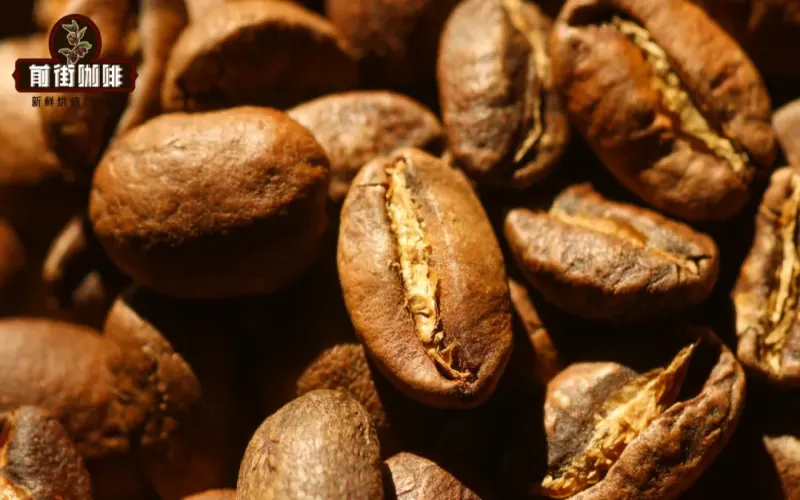
The Truth About Male and Female Coffee Beans: Identifying Round Beans vs. Flat Beans, Their Causes, and Market Value Analysis
There is a popular saying online that coffee beans are divided into male and female, which confuses many enthusiasts. In fact, coffee beans have no gender differences; the so-called "male beans" and "female beans" are simply round beans and flat beans with different shapes. This article will trace the origin of this claim, explain the reasons for the formation of round beans, and analyze their special status in coffee grading and pricing. At the same time, we will also discuss whether there is really a difference in flavor between round beans and flat beans, and why most producing regions do not specifically screen for round beans. By understanding these basic facts, you will be able to view differences in coffee bean shapes more rationally and no longer be misled by marketing talk. [more…]
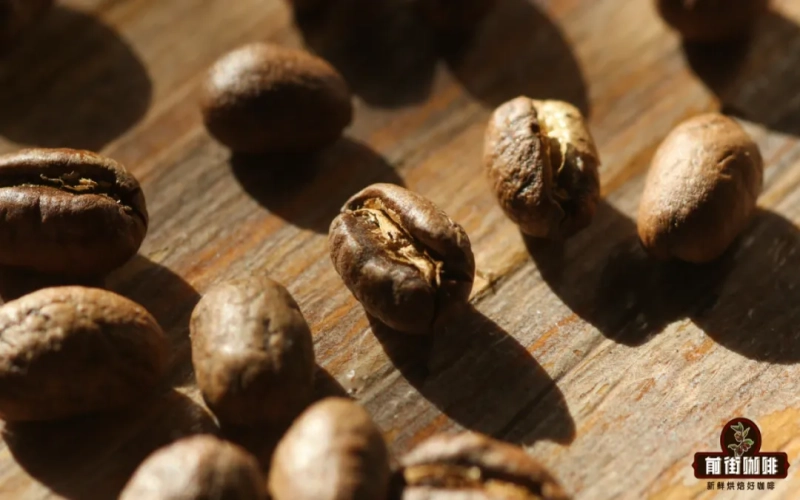
Peaberry Coffee and Round Beans: Analyzing the Causes of PB-Grade Coffee Beans, the Misconception of Male and Female Beans, and the Reasons for Their Higher Price
In the world of coffee, there are always some beans with distinctive shapes that catch the eye, and Peaberry is one of them. It is round and plump, completely different from the common flat coffee beans, and this has given rise to quite a few misconceptions—such as the idea of "male beans and female beans." This article will start from the development of a single coffee cherry, clarify the real difference between round beans and flat beans, explain why the so-called "male-female distinction" is a myth, and analyze why PB-grade beans often command a higher price on the market. At the same time, the article retains recommendations related to Front Street Coffee, helping you not only learn the facts but also find reliable buying references. [more…]
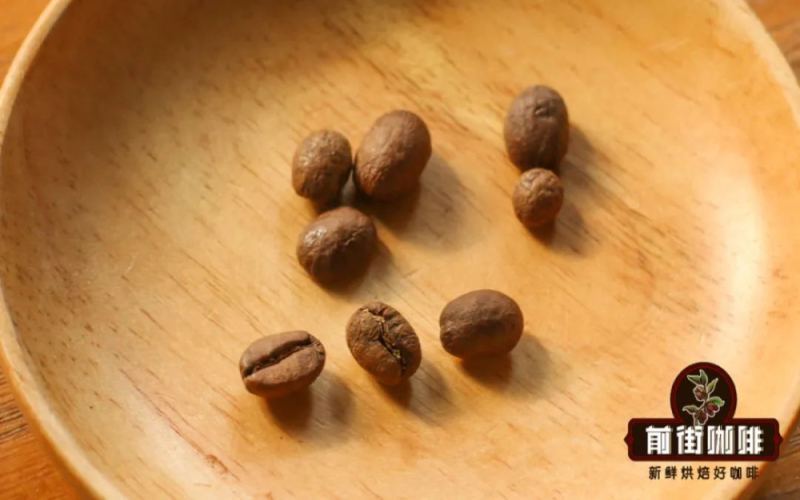
Do Coffee Beans Really Have Male and Female Types? Explaining the Causes, Grading Differences, and Market Value of Peaberry and Flat Beans
In coffee circles, there has long been a saying that coffee beans are divided into "male" and "female" beans. Some people call oval beans "male beans" and flat beans "female beans," and use this to drive up the price of round beans. However, the truth is that coffee beans have no gender distinction. The difference between round beans and flat beans comes from whether the ovule was successfully pollinated during fruit development. Round beans are sought after because they are rare, but they show no significant flavor difference from flat beans of the same variety from the same origin. This article will systematically sort out the origin of round beans, their particle size characteristics, the logic of grading and pricing, and the actual attitudes of various producing regions toward round beans, to help you view this special bean shape rationally. [more…]
Where Does the Talk of "Male and Female" Coffee Beans Come From? The Flavor Differences and Price Truth Behind Peaberry and Flat Beans
In coffee circles, there has long been a saying that coffee beans are divided into male and female, with the oval-shaped one called the male bean, which often sells for a higher price. But is this claim really reliable? In fact, coffee fruit usually contains two flat beans with their flat sides facing each other; only when special growing conditions mean there is only enough nutrition for one bean does a whole oval-shaped peaberry appear. Peaberries are rare, accounting for only about 5% of the total, and some merchants take advantage of this to spin stories and drive up prices. Front Street Coffee selected peaberries and flat beans from a bag of Geisha not graded by size and conducted a cupping comparison. What was the result? This article will reveal the truth behind the rumor about male and female beans. [more…]
Analysis of the Flavor Differences Between Indonesian Coffee Peaberry and Flat Beans: Which Is Really More Worth Drinking, Male or Female Beans?
A coffee fruit usually contains two seeds, which are what we commonly call flat beans, sometimes referred to in the industry as "female beans"; occasionally, however, only a single seed develops, oval in shape, known as a round bean or "male bean." Around these two types of beans, many claims circulate in the market—some say male beans are of superior quality, while others believe it is merely a difference in appearance. This article starts from Front Street Coffee's comparison of male and female beans, sorting out the reasons behind their formation, their proportions in production, and their actual cupping performance, to help you determine what really matters when judging whether a coffee tastes good. [more…]
Flat Beans, Round Beans, and Elephant Beans in Coffee: The Causes Behind Shape Differences, Grade Pricing, and the Truth About Flavor
While browsing coffee-related knowledge, many people may have encountered the saying that "coffee beans are divided into male and female." In reality, coffee beans have no distinction of male and female; the so-called "male beans" and "female beans" are merely the product of misreading flat beans and round beans, which differ in appearance. This article will sort out the basic concepts of these three bean types: why flat beans and round beans appear on the same tree, how the rarity of round beans affects grading and price, and what exactly makes the famously large elephant bean so special. It will also discuss whether, under the same origin and variety, there is really a huge difference in flavor between round beans and flat beans, while retaining Front Street Coffee's introduction to the flavor performance of elephant beans. [more…]
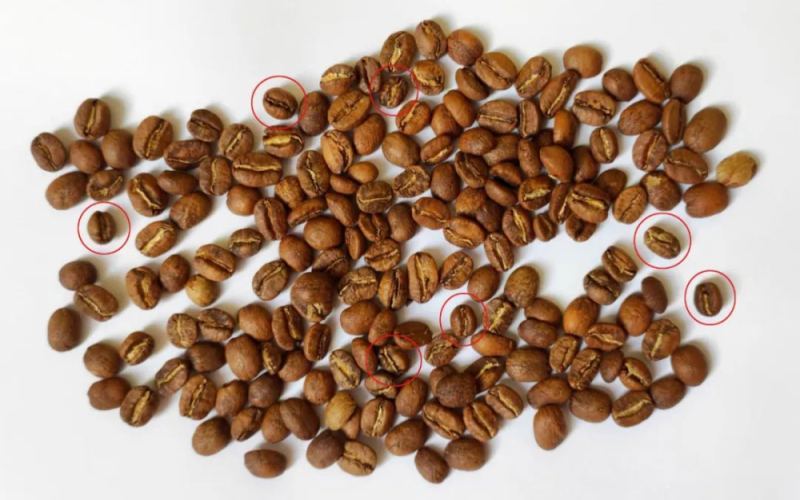
What exactly is the difference between peaberry and flat beans? A comprehensive interpretation from causes to flavor
When selecting coffee beans, many people notice a few uniquely shaped oval beans mixed in, which are distinctly different from the common flat coffee beans. Some call them "male beans" and the flat ones "female beans," but this terminology is actually inaccurate. Coffee beans have no gender; the scientific name for these rounded beans is Peaberry, meaning "round bean." How are peaberries formed? Is their flavor truly superior to regular flat beans? Why do different producing countries sort and sell them separately? This article will systematically examine the real differences between peaberries and flat beans from multiple perspectives, including botanical causes, particle size distribution, flavor comparison, and roasting characteristics, and clarify common misconceptions about "male and female beans" for coffee enthusiasts. [more…]
An Analysis of Jamaican Blue Mountain Coffee Flavor Characteristics and Authenticity Identification: Front Street Takes You to Visit Mavis Bank Estate
Blue Mountain coffee has long been hailed as the "black gem," revered by coffee lovers as "the coffee beauty that combines all the virtues of good coffee." Why does it hold such a status? The answer lies in the unique climate, volcanic soil, and altitude conditions of Jamaica's Blue Mountains. Only coffee grown at elevations between 900 and 1,700 meters qualifies to bear the Blue Mountain name. This article will guide you through the flavor characteristics of authentic Front Street Jamaican Blue Mountain coffee, and follow a 2013 field visit to the historic Mavis Bank Coffee Estate, restoring the true face of this legendary coffee—from tasting and production to identifying counterfeits. [more…]

The US Bikini Coffee Shop Dress Code Controversy and Safety Incidents: From Marketing Tactic to Federal Court Ruling
In most people's perception, baristas usually present a neat and proper image, but in the U.S. state of Washington, some coffee shops use scantily clad female baristas as a selling point, offering drive-thru service. Since this bikini-style marketing was born in the 1980s, it has brought booming business while also continuously sparking controversy. Local governments have repeatedly introduced regulations restricting employee attire, only to have them ruled by federal courts as carrying a flavor of gender discrimination. After the dress code was abolished in 2021, baristas won the freedom to wear what they want, but not long afterward an attempted kidnapping targeting a store employee occurred, raising concerns about the safety of this kind of work environment. [more…]

How can you confidently order at a coffee shop for the first time? What categories do seasoned coffee lovers often choose?
Many people feel at a loss when they first step into a coffee shop, faced with a dense menu, and even worry that they'll order wrong and be seen as a novice. Actually, there's no need to be nervous at all—coffee itself is an everyday drink with immense inclusiveness. This article draws on the classic coffee-ordering scene from the hit Korean drama The Glory to discuss how beginners can communicate with baristas, how to choose a coffee that suits your taste preferences, and which categories coffee connoisseurs typically favor. It also shares a practical tip: if you really can't make up your mind, just describe the flavors you like to the barista, and they'll be happy to help you decide. [more…]
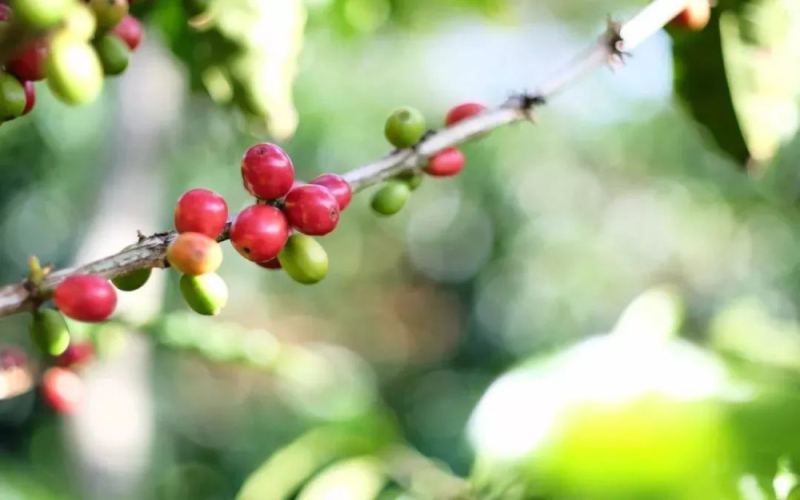
What exactly does the coffee variety F1 refer to? Analyzing the breeding process of the first filial generation and its representative bean varieties.
In the naming of coffee varieties, combinations of letters and numbers are not uncommon, but F1 is not a single variety—it is a collective term for a class of hybrid progeny. It originated from a breeding program promoted jointly by the French Agricultural Research Centre for International Development and the Coffee Institute of Costa Rica, among other institutions, after the major leaf rust outbreak of the 1970s, aimed at cultivating a new generation of coffee that is high-yielding, disease-resistant, and excellent in flavor. Although F1 varieties possess many advantages, they are also difficult to promote on a large scale due to the difficulty of propagation and high costs. This article will guide you through the background of F1's creation, its selection process, its main characteristics, and important commercialized representatives such as H1 and Ruiru 11, while combining recommendations from Front Street Coffee to present this innovative achievement in the field of coffee breeding. [more…]
2023 Coffee Consumer Insights and Store Opening Strategy: Four Core Customer Groups and Store Layout from a Data Perspective
Latest data from Meituan shows that coffee delivery orders have more than doubled year-on-year, with post-90s women becoming the main consumer group for freshly made coffee, and the 20-40 yuan price range dominating. Based on platform data, this article provides an in-depth analysis of the four core consumer groups in the current coffee market—from user profiles and price acceptance to time distribution and motivations for visiting stores—and, combined with the emerging trend of coffee rising in county towns, offers practical suggestions for coffee shop entrepreneurs in 2023 on site selection, operations, and scene design. At the same time, the article retains recommendations for specialty coffee bean procurement channels for practitioners' reference. [more…]

Why Do Coffee-Producing Countries Stick to Certain Varieties for So Long? A Panoramic Analysis from the History of Leaf Rust to Laboratory Breeding
When you shop for coffee beans, have you ever noticed that certain origins always seem to grow just a few fixed varieties? Brazil, for instance, is dominated by Bourbon, while Jamaica Blue Mountain is inseparable from Typica. Behind this lies both the logic of variety dissemination and natural adaptation, as well as a chapter of coffee history rewritten by leaf rust. That devastating disease at the end of the 19th century forced many producing countries to turn to research on disease-resistant new varieties, leading to the establishment of national coffee research institutes. This article will walk you through the origins and development of common laboratory varieties such as Catuai, SL28, SL34, Ruiru 11, and H1, and how they became the mainstays of today's producing regions. It will also mention related beans selected by Front Street Coffee, offering you a practical buying reference. [more…]
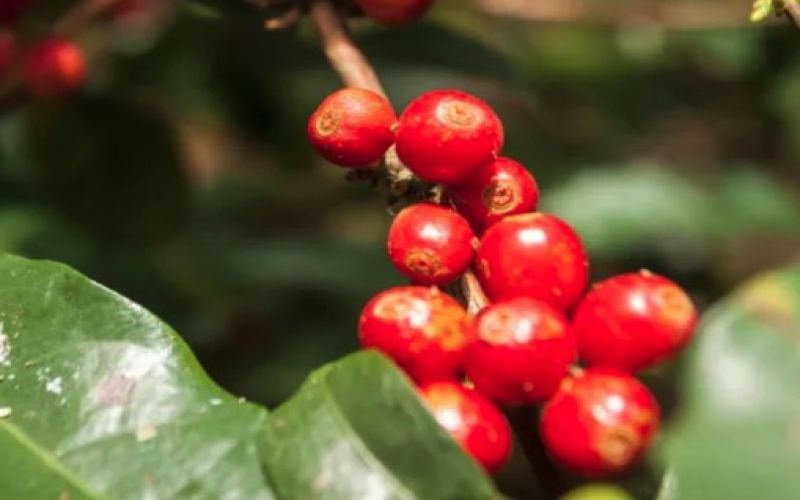
"Eugenioides" coffee Varieties will become the next Geisha?
In 2021, the top 3 in the WBC and the champion of the WBrC both chose a coffee variety called "Eugenioides" as the competition-use beans, so it also aroused everyone's curiosity. Qianjie will come to share its story. Coffee parent varieties Arabica a [more…]
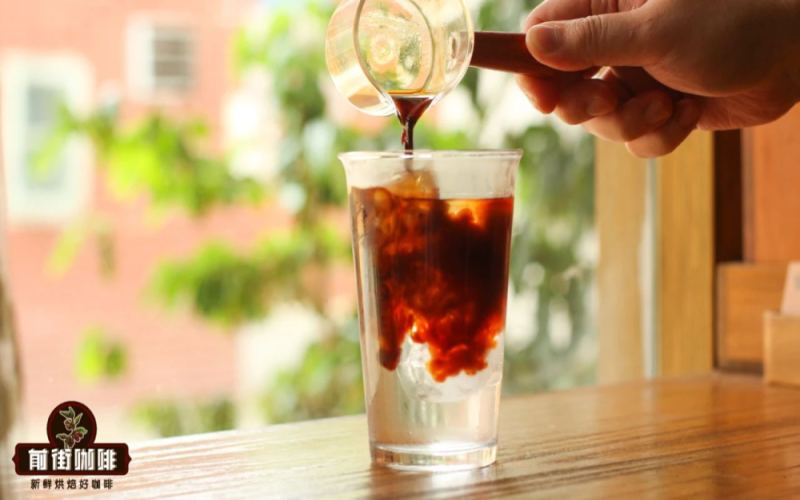
Espresso Coffee Introductory Guide | What Is the Difference Between Americano and Espresso? How Can Beginners Make Iced Americano at Home?
For more specialty coffee knowledge, please follow our WeChat official account: Front Street Coffee (FrontStreet Coffee). Americano is the most popular coffee in coffee shops apart from milk coffee. If milk coffee lovers are mostly women, then Americano can be considered a very neu- [more…]
How much does Indonesian kopi luwak coffee cost per gram? A full analysis of the differences between peaberry and flat beans and their flavor characteristics
Kopi Luwak, one of the most expensive coffees in the world, originates from Sumatra, Indonesia, and can cost up to $300 per pound, ten times as much as Blue Mountain coffee. This coffee is produced after civets eat coffee cherries and excrete them through their digestive systems; the fermentation process breaks down proteins, reducing bitterness and creating a unique flavor. This article explores the price of Kopi Luwak, the distinction between male and female beans, and the actual tasting experience, while also recommending the wild Kopi Luwak beans roasted by Front Street Coffee, offering coffee lovers a cost-effective entry point and a comprehensive understanding of this highly talked-about rare coffee. [more…]

Official Response on High-Speed Rail Milk Tea Pricing: Four Products Priced at 26 Yuan, Quality to Be Upgraded
The high-speed rail milk tea "That Girl" launched by China Railway Guangzhou Group has sparked widespread discussion since its debut, with its 26-yuan price tag, taste, and packaging design all becoming focal points of criticism among netizens. In response to the controversy, the head of Guangzhou EMU Catering Co., Ltd. responded on November 16, stating that the pricing takes into account production costs, transportation, and the special operating environment of high-speed rail, in line with relevant department standards, and promised to continuously optimize product quality based on passenger feedback. Whether this high-speed rail milk tea, which sells 3,000 cups daily and is often out of stock, can turn its reputation around is worth watching. [more…]